 Get a Free Quote
 Call Us
 The Complete Guide to Mould Removal in Sydney Homes and Businesses
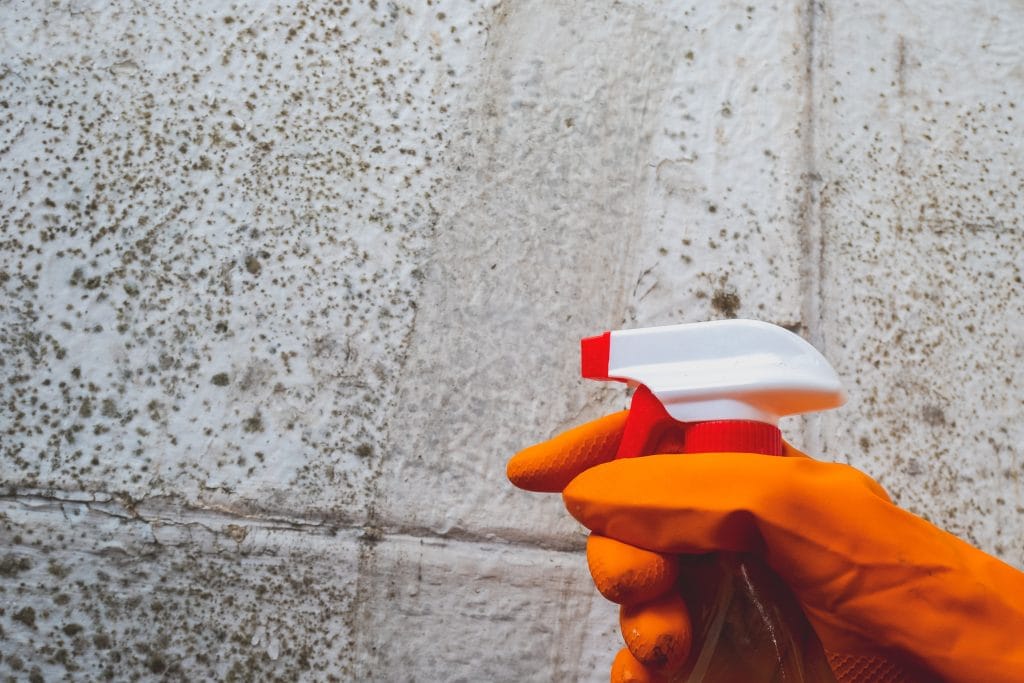
That small black patch on your bathroom ceiling is doing more harm than just ruining the aesthetic appeal. It may be a warning sign of a hidden moisture problem that may require professional mould removal in Sydney. Ignore the problem now, and it will allow mould to damage your home’s structural integrity, ruin building materials, and cause serious health risks.
Mould growth is common in Sydney homes and businesses because of humidity, poor ventilation, and leaks. However, getting rid of mould takes more than a quick wipe-down with supermarket bleach.
So, whether you’re a homeowner or business facing a mould issue, our experts at Billingsly Cleaning Services have you covered. We created this guide to help you understand what mould is, why it grows, and how our professional mould removal services in Sydney can provide an effective solution.
What is Mould?
Mould is a microscopic fungus that releases spores into the air. So, these spores may be naturally present everywhere, both outdoors and indoors. Inhaling these airborne spores can cause allergies or respiratory irritation.
How Mould Grows
Mould grows much faster when it finds a food source along with oxygen and moisture.
- Organic Materials (Food Source)
Mould feeds on cellulose-based materials, including drywall, wallpaper, fabrics, and accumulated dust.
- Oxygen
Mould gets enough oxygen in indoor environments to grow and survive.
- Moisture
Moisture allows mould to grow rapidly; there can be excessive moisture build-up inside a building due to:
- Leaks from roofs, pipes, or walls
- Poor Ventilation or inadequate airflow, especially in older homes and buildings
- Condensation on cold surfaces, such as windows, concrete floors, or metal pipes
- High humidity, as Sydney’s coastal climate creates the perfect conditions for mould growth
Remember, you need to fix the main cause of mould growth, or it will eventually return, even if you hire professionals for mould removal in Sydney.
Common Types of Mould
Mould comes in various types, each with its specific characteristics and health risks (more on this in the next section). For instance, black mould releases mycotoxins that can harm humans. Understanding these types helps to identify them and find the right solution.
| Name | Colour/Texture | Thrives on | Health Risks |
| Cladosporium | Black, olive, or brown mould with a velvety to powdery texture | Grows on fabrics, wood, and interior surfaces | It causes significant allergic reactions, hay fever symptoms, and asthma flare-ups |
| Aspergillus | Shades of green, brown, white, or yellow with a powdery texture | Commonly found indoors, such as on damp walls and inside air-conditioning systems | Certain strains can trigger severe respiratory infections and allergic reactions |
| Penicillium | A blue, green, or yellow fuzzy mould | Indoor species can multiply rapidly on water-damaged materials, such as damp carpets, wallpaper, and insulation | It is generally less toxic than black mould but can trigger asthma attacks, chronic allergies, and respiratory irritation |
| Stachybotrys Chartarum | Greenish-black mould, slimy in texture (when active and wet) | Grows on high-cellulose materials, like drywall after prolonged water damage | It produces potent mycotoxins that can cause severe respiratory irritation, fatigue, and neurological symptoms |
How Indoor Mould Exposure Affects Health
Mould doesn’t just damage surfaces or leave unsightly stains on your walls; it can also cause serious health issues, so you may need effective mould removal services in Sydney.
Living and working in a mould-affected environment exposes occupants to airborne spores, fragments, and microbial volatile organic compounds (MVOCs). Simply put, mould releases tiny spores that flow through the air. These spores can carry mycotoxins that affect human health.
However, the effects vary depending on the individual’s sensitivity and the duration of exposure. Some of the health issues you may experience due to mould include the following:
- Respiratory Infections
Mould triggers respiratory problems, especially in people with asthma or allergies. Consistent exposure to mould may even cause wheezing, chest tightness, and shortness of breath. Those with existing respiratory conditions may experience symptoms like a runny nose or sinus issues. Some individuals may even feel a burning sensation or blurry vision and require medical help.
- Allergic Reactions
Sneezing, nasal congestion, and itchy or watery eyes are common reactions to mould exposure. Some people may also experience mild to severe skin rashes from direct contact with mould. Even handling mouldy objects can cause some individuals to develop skin allergies.
- Long-term Health Impacts
Staying in mould-affected environments for longer can lead to chronic fatigue and persistent headaches. These symptoms can affect daily life and may even lead to neurological issues and a suppressed immune system.
Warning Signs! Your Property Has a Mould Infestation
Mould is not always visible on open walls. You need to look out for the following warning signs to prevent structural damage and potential health issues:
- Musty Odour
A persistent damp smell can indicate hidden mould behind walls, under carpets, or inside subfloors. The smell does not go away even when the room is clean.
- Staining and Discolouration
Those visible black or green patches on ceilings or walls, peeling paint, or bubbling plaster are tell-tale signs of mould in your property.
- High Indoor Humidity
Condensation running down windows or recent water damage or flooding can increase indoor humidity levels, creating the perfect conditions for mould growth.
When to Call an Expert
Even if you catch these signs early, you may not be able to find mould in hard-to-reach areas. Moreover, using bleach may remove surface staining temporarily, but it hardly solves the root cause. So, you should ditch the DIY route and rely on experts for effective mould removal in Sydney if:
- The mould growth covers a large area (greater than one square metre)
- The infestation penetrates porous building structures, like drywall, insulation, timber frames
- Your property recently experienced water damage or flooding
- Mould returns quickly even after multiple cleaning attempts
- Occupants experience unexplained chronic health symptoms that improve when they leave the premises
Billingsly’s Professional Mould Removal Process
Many homeowners and businesses trust Billingsly Cleaning Services for mould removal in Sydney. We use natural methods and environmentally friendly products, and follow Australian safety regulations throughout the process.
- Inspection
We inspect your property to assess the severity, spread, and main cause of mould growth.
- Mould Testing
We also hire a certified tester to take samples for laboratory analysis if needed.
- Diffuser Treatment
We run our all-natural mould diffuser for 24 hours to kill spores and surface mould, covering up to 90 sq m.
- Mould Shield Application
Next, we apply a mould shield that kills remaining mould from walls and ceilings, neutralises surface pores, and slows regrowth.
- Stain Removal
Lastly, we remove the ugly stains to enhance aesthetic appeal.
How to Prevent Mould Growth?
- Use dehumidifiers to keep indoor humidity levels below 50%.
- Fix plumbing issues and leaks immediately.
- Ensure proper ventilation, especially in bathrooms and kitchens.
- Clean damp areas in your home regularly.
Frequently Asked Questions (FAQs)
Q: How often should I inspect my property for mould?
We recommend conducting a thorough visual and moisture check of high-risk zones, like bathrooms and laundries, every six months, particularly ahead of Sydney’s humid seasons.
Q: Is black mould always toxic?
Not all black mould is toxic. However, Stachybotrys chartarum, which is mostly found in damp places, releases mycotoxins that trigger respiratory issues. Hire a professional to test and identify the type.
Q. What is the difference between mould removal and mould remediation?
Mould removal removes mould, while mould remediation eliminates the source.
Your Dependable Partner for Efficient Mould Removal Service
Mould can compromise your property’s structural integrity and your family’s health. Book with Billingsly today for a detailed inspection and professional mould removal service across Sydney.
